Amelie: ‘We see something about our lives in what we read. Addiction, yes, and the roots of that addiction, but we see good things too, and memories’
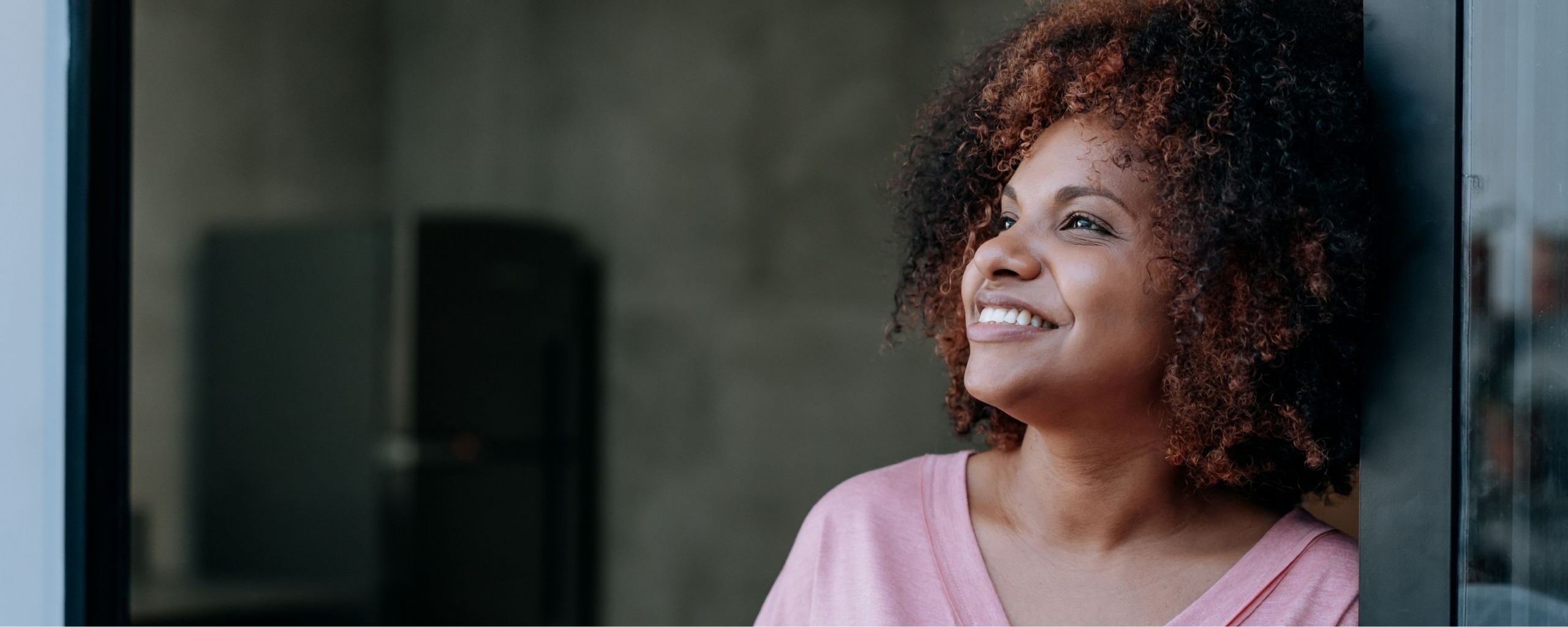
Amelie: ‘We read, and we see something about our lives in what we read. Addiction, yes, and the roots of that addiction, but we see good things too, and memories’
Former teacher *Amelie*, attends a weekly Shared Reading group at CGL (Change Grow Live Camden) in London where people in recovery at a drug and alcohol rehabilitation centre connect and share experiences using stories and poems. There is no pressure to talk or read aloud.
“I came to CGL (Change Grow Live Camden) a little more than a year ago, but it took me another few months before I really started engaging with the different activities there. I saw someone I knew going into something called a Shared Reading group, and I thought it sounded interesting.
I didn't know what Shared Reading was - I thought we were all going to have to do some prep and bring a reading ourselves, but I was very pleased to find that wasn’t the case. I started going to the group every week, and I’ve tried never to miss it. I really look forward to it, and I recommend it to everybody.
The group is like a community, like a reading family. Sandie is an extraordinary facilitator – I think that's one of the reasons I never miss it. She gives you a big hug when you come in and then gets started straight away with the reading. She keeps the group focused, but she's not obtrusive and doesn't put a lot of pressure on us.
Sandie always starts by reading aloud. And then usually most people take a turn at reading, although it’s fine if someone doesn’t want to. There was somebody in the group one day who was dyslexic, but she wanted to practice her reading, so we all said: ‘Go for it!’ I think people feel proud of themselves when they read.
It's kind of soothing, to be read to. For me, it brings back memories of when my mom and my teachers would read aloud, and in another life, a long time ago, when I used to be a school teacher, and I would read aloud.
It’s not a literature class, and it’s not a recovery class. It varies from other group therapy, because it's not focused on addiction, although I think Sandie does pick things that she knows will be meaningful to us as people dealing with addiction. We read, and we see something about our lives in what we read. Addiction, yes, and the roots of that addiction, but we see good things too, and memories.
For example – we read a story about a woman waiting for her husband to come home, but then she hears that he was in a train accident, and she feels really happy that he’s died. [‘The Story of an Hour’ by Kate Chopin] In the group, we talked about how people living in unhealthy situations just want it over with, and the relief that they feel when they can be free and become their own person. A lot of us could relate to that story.
But other times, you know, someone might listen to the reading and think, ‘Oh, that was pretty.’ It doesn't matter, as long as they enjoyed being there.
We’ve read poems, and chapters from longer novels - Little Women, Persuasion, Sense and Sensibility, Frankenstein. Maybe somebody thinks at first, ‘Oh, I'm not going to relate to Jane Austen’ or they don't even know who Jane Austen is, but then they sit and listen, and then everybody makes comments and connections, and you find something to relate to.
I think it's important, in recovery, to see familiar faces. Friends isn’t exactly the right word for it - we have different sorts of conversations than I have with friends. I talk to friends, and we’ll swap news, but at the group people have such different, varied backgrounds, and they'll bring up something you never would have thought about before.
I'd say there's a sense of accomplishment when you leave the group, though I can't pinpoint what that is, and I would imagine it's different for everybody. The accomplishment could be that I managed to listen to a reading, or I pronounced my words very well, or I really understood what we read, or because I had a breakthrough. Even just, you know, sitting for an hour not thinking solely about addiction – that’s an accomplishment too.”
WORDS: By Frances Macmillan
* In this article the name has been changed to protect the identity of the individual involved.
For more than 20 years The Reader has been building a community of Shared Reading groups across the UK believing that literature has the potential to connect individuals, help us feel better and to rebuild lost social bonds. Shared Reading is proven to improve mental wellbeing and physical health.
- To find out more about how The Reader’s work supports people recovering from substance or alcohol use disorder please visit here.
- For further information about Camden’s Change Grow Live Drug and Alcohol Services visit here:
Share
Related Articles
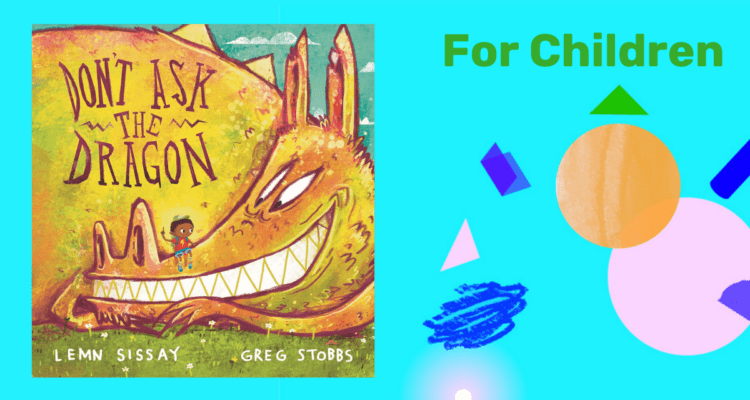
March’s Title Pick for Children: Don’t Ask the Dragon by Lemn Sissay
Reflections on Don't Ask the Dragon by Lemn Sissay by Erin Carlstrom, Shared Reading Practice Leader ‘What do you think…
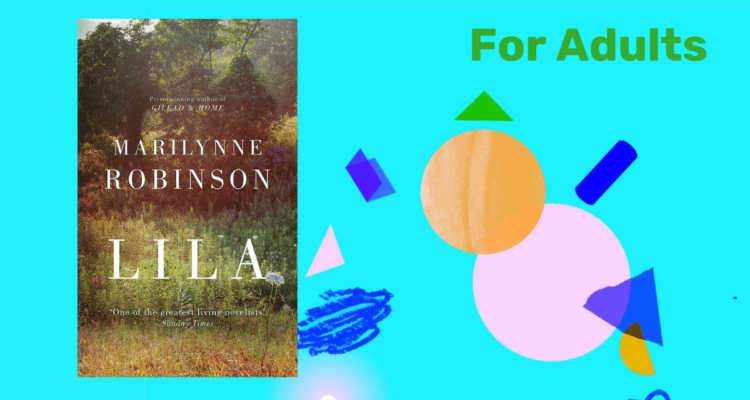
March’s Title Pick for Adults: Lila by Marilynne Robinson
Inviting Lila into Shared Reading by Esther Harsh, Shared Reading Practice Lead ‘Her name had the likeness of a name.…
Stu: ‘It’s good to get out of your comfort zone and broaden your horizons’
Stuart ‘Stu’, 42, originally from Selby, Yorkshire, now a resident at Liverpool’s Damien John Kelly House (DJK) House in Wavertree, Liverpool -…