Reader Story: Jamie
Jamie, aged 37, volunteers at Project 6 in Doncaster, a service offering free and confidential support around alcohol and other drug use. He attends a weekly Shared Reading group where members connect and share experiences using stories and poems. There is no pressure to talk or read aloud.
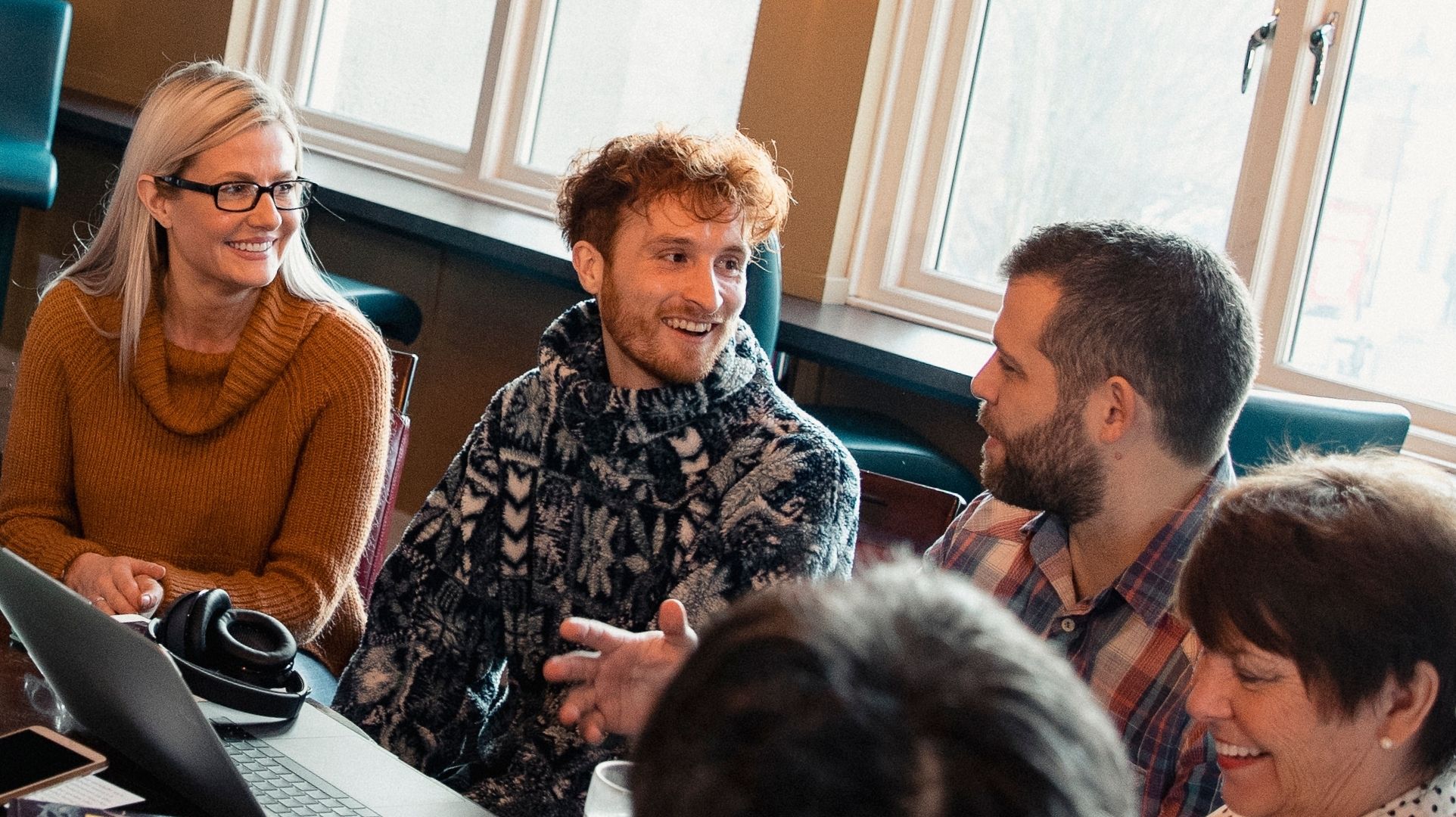
“I’m 37 now, I’ve been sober for 10 months, and it was a 20-year struggle before that. I started volunteering at Project 6 in January, and the Shared Reading group has been a staple of the week here since then. It’s grown into one of the best groups we have here.
Michael always brings something new each week. For a lot of people in the group it’s cathartic, because the poems put into words what it is they’ve been wanting to say.
I like the bit in a poem we read recently [The Call by Charlotte Mew] about treading your own steps in the snow: ‘But we must go Though yet we do not know Who called, or what marks we shall leave upon the snow.’ That was really evocative.
I know I’m doing things now that I wouldn’t have dreamt of achieving a year ago. And for another member of the group, he’s going fishing again, and he could tell us about that. That’s his path in the snow. That idea of a path that came from the poem, after reading and talking about that line - I can now see that in everyone, I can see where everyone’s going and what they are doing. Just from one simple line we’ve got all these images and everyone's stories. That’s why the group is precious.
The Shared Reading group feels different from other groups here because we’re allowed to play around with the narrative. It nurtures that creative side which gets lost a lot in addiction. We can use visions, metaphor. When you’re sat in a larger group – for instance, we have one focussed on preventing a relapse and there’s generally around 20 people - the words and the language used by everyone is the same and has the same focus. In that large group, it’s almost like you play a role. Someone will say something and it quickly becomes like an echo chamber with people agreeing.
But in the Shared Reading group people think about what they want to say. They aren’t just parroting each other, or worrying about saying the wrong thing, giving the wrong response. They can talk authentically, they can say ‘this is what the poem means to me’, and that’s not going to be a wrong answer. It’s cathartic for people to be able to say these things - and have the literature to back them up. I don’t think they have much opportunity to do that in other groups, this allows a freedom of expression they might not get elsewhere.
We all have a story, and we’re all very different; recovery is very different for all of us. Addiction doesn’t discriminate; what happened to me would be completely different from what happened to others in the group, but the poems allow us to express what happened to us in a non-judgmental way. And in a poetic kind of way. There’s a sense of achievement. It’s motivating.
I think everyone should have something like this group in their life. Because – this is going to sound grim – the world is such a toxic place. Thinking about those goals you’re never going to achieve, comparing yourself to other people on social media – it’s all detrimental, certainly in recovery, which is such a slippery slope as it is, and full of pit falls.
This – having a group centred on something apart from all that – it’s nourishing. It really does help. We can articulate ourselves. It’s a chance to be expressive. It’s just getting people to say yes to coming along, giving [Shared Reading] a try. It’s like in the poem we read today, you never know when you might get that call, when inspiration might come.”
As told to Frances Macmillan
For more than 20 years The Reader has been building a community of Shared Reading groups across the UK believing that literature has the potential to connect individuals, help us feel better and to rebuild lost social bonds. Shared Reading is proven to improve mental wellbeing and physical health.
- To find out more about how The Reader’s work supports people recovering from substance or alcohol use disorder please visit here: https://www.thereader.org.uk/shared-reading-wwd/shared-reading-in-health-and-social-care/
- For further information about Project 6 in Doncaster visit here.
Share
Related Articles
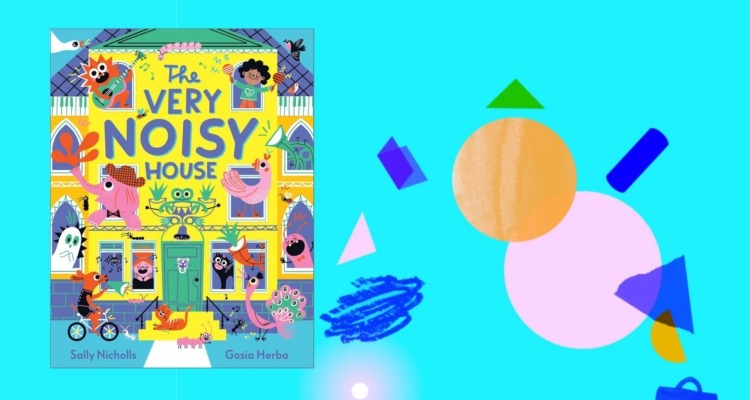
April’s Title Pick for Children: The Very Noisy House by Sally Nicholls
‘SQUEEEAK’ goes the garden gate, ‘RING RING’, ‘KNOCK KNOCK’, ‘DING DONG’ at the door. Readers are invited to pay a…

April’s Title Pick for Adults: The Home-Maker by Dorothy Canfield Fisher
The Home-Maker is an American novel first published in 1924 and rediscovered and published in the UK by Persephone Books…

April’s Monthly Stories & Poems
For all our Monthly Poems and Stories packs for Reader Leaders in 2026, we’re following strands of feeling and ideas…