Featured Poem: The Angel by William Blake
This week's Featured Poem is a choice from William Blake, taken from his Songs of Experience. Blake began writing poetry when he was twelve, but his visionary experiences began before then at the age of eight when he told his mother that he had seen a tree filled with angels "bespangling every bough like stars". Such visions became a theme through his work, with this poem alongside his other I Heard an Angel appealing to a different set of senses.
This poem was recently read in a shared reading group within a Criminal Justice setting, who are making their way through Skellig by David Almond. The Angel is featured within the book, sung at one point by one of the characters, and it was the melodious quality that was picked up by one of the group members in particular. The choice was found to be an 'empowering' one - take a read and see what you think.
The Angel
I dreamt a dream! What can it mean?
And that I was a maiden Queen
Guarded by an Angel mild:
Witless woe was ne'er beguiled!
And I wept both night and day,
And he wiped my tears away;
And I wept both day and night,
And hid from him my heart's delight.
So he took his wings, and fled;
Then the morn blushed rosy red.
I dried my tears, and armed my fears
With ten-thousand shields and spears.
Soon my Angel came again;
I was armed, he came in vain;
For the time of youth was fled,
And grey hairs were on my head.
William Blake
Share
Related Articles

Shared Reading a key recommendation in new report to Government
As the UK’s biggest Shared Reading charity, we are absolutely delighted to see the Education Committee highlight Shared Reading as a key recommendation in its new Reading for Pleasure…

July’s Title Pick for Children: The Blue Umbrella by Emily Ann Davison
The illustrations are really beautiful, and full of life and detail. While you’re turning the pages and telling the story,...
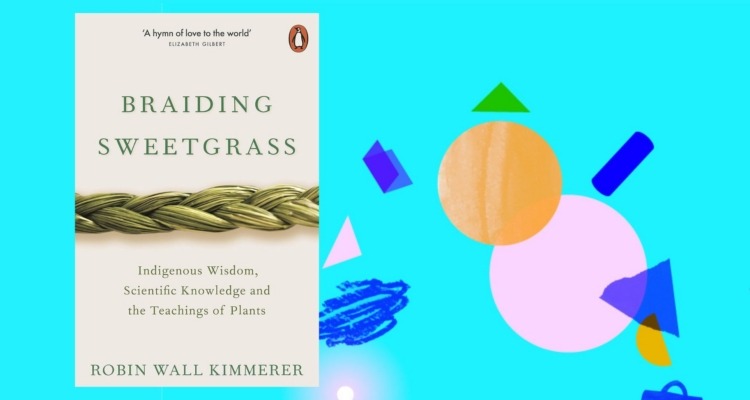
Julys Title Pick for Adults: Braiding Sweetgrass by Robin Wall Kimmerer
Robin is a warm, inclusive and inviting guide to these worlds. The message of many of the essays is that...